

Why Is My Fascia Board Rotting?
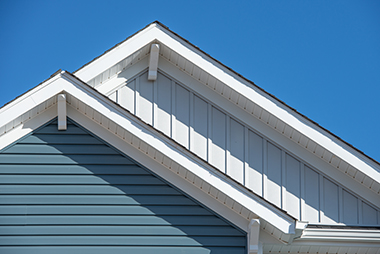
In most cases, water is getting behind the gutters.
Rainwater is supposed to flow off the roof, into the gutters, through the downspouts, and safely away from your home. When gutters leak, overflow, sag, or pull away from the fascia, water can run behind them and soak the wood instead.
At CR Gutters, we help homeowners throughout King County identify the source of the moisture before replacing damaged fascia. Replacing rotten wood without fixing the drainage problem usually means the new fascia will eventually suffer the same fate.
Fascia rot often develops slowly. From the ground, everything may appear normal. Up close, however, you may find peeling paint, dark stains, soft wood, or gutter fasteners pulling loose.
How Gutters Cause Fascia Rot
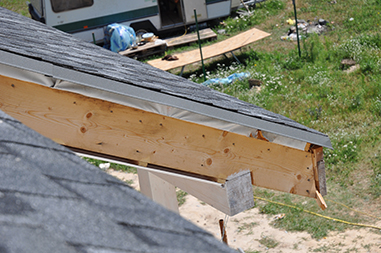
Your gutters are mounted directly to the fascia board, so when the gutter system isn’t functioning properly, the fascia is often the first thing to be affected.
Common causes include:
- Leaking gutter seams
- Overflowing gutters
- Sagging gutter sections
- Gutters pulling away from the house
- Loose hangers or fasteners
- Improper gutter slope
- Missing or damaged drip edge flashing
Each of these problems can allow water to reach the wood behind the gutter.
Water Keeps Getting Behind the Gutter
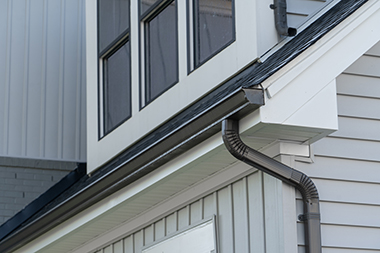
This is the most common cause of fascia rot.
One rainstorm usually isn’t enough to damage the wood.
The problem develops when water repeatedly hits the same area during every storm.
Over time:
- Paint begins to bubble or peel.
- The protective finish breaks down.
- Bare wood becomes exposed.
- Moisture soaks into the fascia.
- Rot gradually spreads deeper into the board.
Because King County experiences frequent rainfall, wet fascia often doesn’t have enough time to fully dry before the next storm arrives.
Signs Your Fascia May Be Rotting
Watch for these warning signs:
- Peeling or bubbling paint
- Soft or spongy wood
- Dark stains beneath the roofline
- Gutters pulling away from the house
- Loose gutter brackets or fasteners
- Swollen or cracked fascia boards
- Water dripping behind the gutter
- Mold, mildew, or green growth
Soft wood is one of the clearest indicators that moisture damage has progressed beyond the surface.
If gutter fasteners are pulling out of the fascia, the wood may no longer be strong enough to safely support the gutter system.
Fix the Water Problem First
This is the most important step.
Replacing damaged fascia without addressing the source of the leak usually leads to the same problem happening again.
Before new fascia is installed, the following should be inspected:
- Gutter seams
- Gutter slope
- Hangers and fasteners
- Downspouts
- Roof edge flashing
- Drip edge
- Overall drainage performance
Once the water intrusion has been corrected, replacing the damaged wood becomes a long-lasting repair instead of a temporary fix.
What Does Fascia Repair Cost?
Most fascia repair projects in King County range from $600 to $1,500.
The final cost depends on:
- How much wood is damaged
- Roof height
- Accessibility
- Whether gutters need to be removed
- Damage to soffits or trim
- Overall condition of the gutter system
More extensive water damage typically requires additional repairs beyond the fascia itself.
Schedule a Gutter and Fascia Inspection
If you’ve noticed peeling paint, soft wood, loose gutters, or water running behind your gutters, it’s a good idea to have the system inspected before the damage spreads.
CR Gutters can identify where the water is coming from, evaluate the condition of your fascia, and recommend the repairs that will protect your home for the long term.
Call CR Gutters today at (253) 447-1419 to schedule a gutter and fascia inspection anywhere in King County.
Fixing the source of the water now can help prevent much more extensive repairs later.